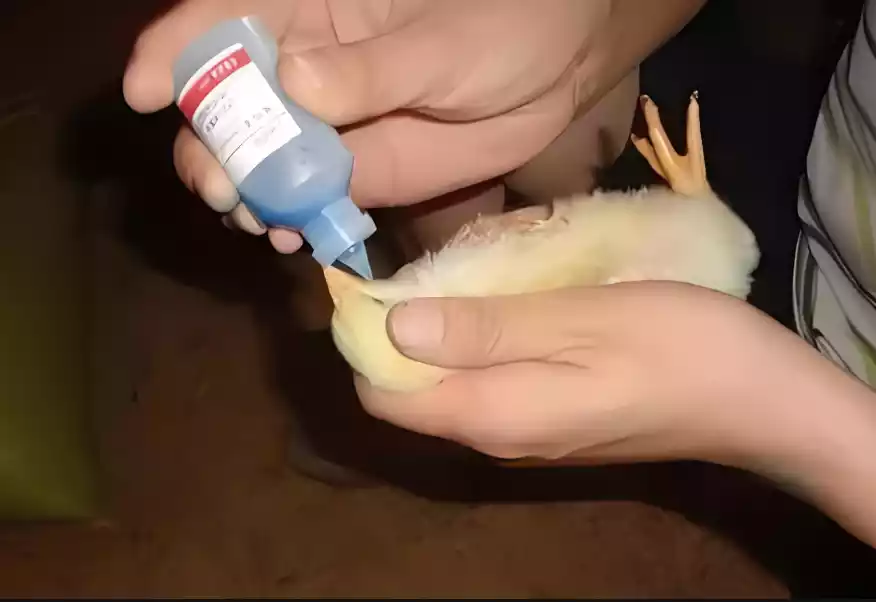
When comparing veterinary vaccines, buyers and animal health professionals often face an important question: Does a vaccine containing more antigens provide better protection?
Whole-virus vaccines contain multiple viral proteins and preserve a broader range of antigens. Subunit vaccines use selected proteins or antigen components.
This may suggest that whole-virus vaccines offer broader protection, while subunit vaccines provide a more targeted immune response.
However, the number of antigens alone does not determine vaccine effectiveness.
Vaccine protection depends on which antigens are selected, how their protective epitopes are presented, and how the immune system responds to them.
Antigen conformation, delivery methods, adjuvants, vaccination schedules, and the animal’s immune status can all influence the outcome.
Research on infectious bronchitis virus (IBV) in poultry and porcine circovirus type 2 (PCV2) in pigs helps explain why vaccines containing similar proteins may produce different levels of protection.
In this article, Wixbio explores five key questions:
- What is the difference between whole-virus and subunit vaccines?
- Why don’t more antigens always provide better protection?
- How do antigen structure and immune pathways affect vaccine performance?
- What determines vaccine safety and vaccination stress?
- How should veterinary vaccine buyers compare different products?
Scope: This article mainly compares inactivated whole-virus vaccines with protein-based subunit vaccines. Live attenuated vaccines are a separate category and are not included in this direct comparison.
What Is the Difference Between Whole-Virus and Subunit Vaccines?
The main difference lies in antigen composition and presentation, rather than simply the number of antigens.
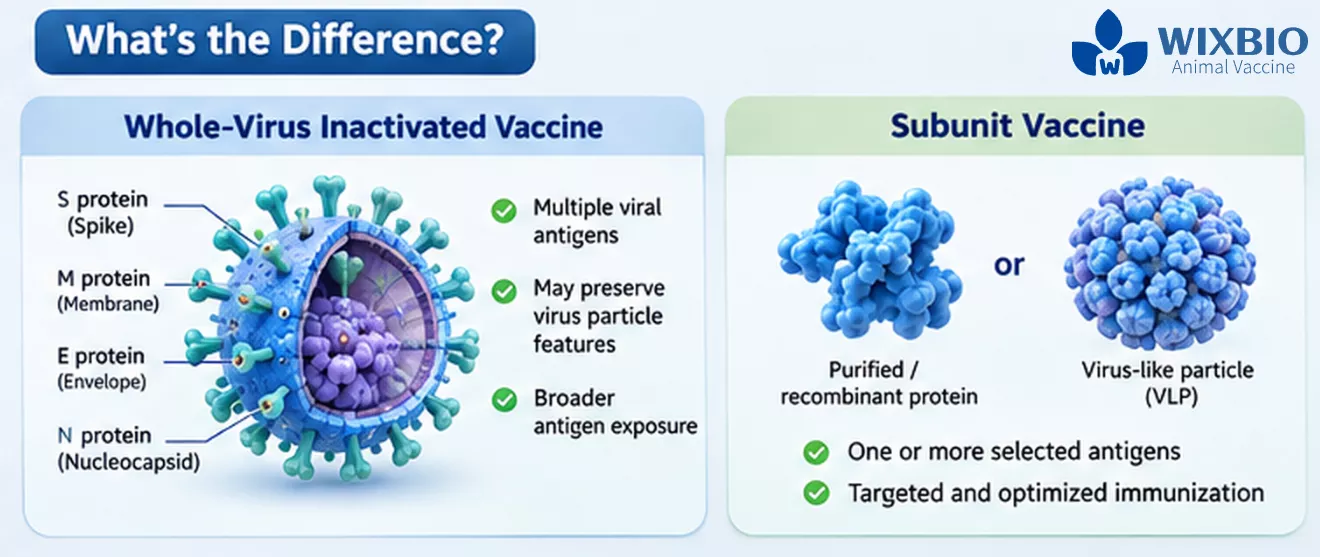
Whole-Virus Inactivated Vaccines: A Broad Range of Viral Antigens
Whole-virus inactivated vaccines are generally produced by growing the target virus, harvesting the viral material, inactivating it, and processing it into a vaccine formulation.
Depending on the manufacturing process, these vaccines may retain multiple structural proteins and much of the original virus particle structure.
Infectious bronchitis virus (IBV), for example, contains four main structural proteins:
- Spike (S) protein: Located on the virus surface. It is involved in host-cell recognition and viral entry and is an important target for protective antibodies.
- Membrane (M) protein: Helps maintain the viral envelope and supports virus particle assembly.
- Nucleocapsid (N) protein: Binds viral RNA and contributes to nucleocapsid formation. It can also stimulate specific immune responses.
- Envelope (E) protein: Plays a role in virus assembly and related processes.
A whole-virus vaccine can therefore expose the immune system to several viral proteins and a broad range of epitopes.
However, these proteins do not contribute equally to protection.
Some are major targets of neutralizing antibodies. Others may contribute to T-cell responses or have limited direct protective value under a particular vaccination protocol.
The manufacturing process also matters. Inactivation, purification, and storage conditions can affect particle integrity and the stability of protective epitopes.
For this reason, the term whole-virus vaccine does not, by itself, confirm how much native antigen structure has been preserved in the final product.
Subunit Vaccines: Selected Antigens for Targeted Immunization
Subunit vaccines use one or more selected antigen components rather than the complete virus as the final vaccine antigen.
Common forms include purified native proteins, recombinant proteins, and virus-like particles (VLPs).
For example, some PCV2 subunit vaccines use the Cap protein encoded by the ORF2 gene.
Under suitable conditions, Cap proteins can self-assemble into virus-like particles.
These particles resemble certain structural features of natural viruses but do not contain a complete viral genome capable of supporting viral replication.
This approach allows manufacturers to select relevant antigens and optimize their expression, purification, structure, and formulation.
However, successful subunit vaccine development requires more than producing a purified protein.
The selected antigen must contain appropriate protective epitopes and maintain the properties needed to stimulate an effective immune response.
Whole-Virus vs. Subunit Vaccines: Key Differences
| Feature | Whole-Virus Inactivated Vaccines | Protein Subunit Vaccines |
|---|---|---|
| Antigen composition | Usually contain several viral structural proteins | Contain one or more selected antigens |
| Antigen structure | May preserve native virus particle features | Depends on protein folding, assembly, and formulation |
| Manufacturing | Virus cultivation, inactivation, purification, and formulation | Protein expression or extraction, purification, and formulation |
| Immune response | May target multiple viral components | Focuses on selected antigens |
| Adjuvant requirements | Depend on the vaccine formulation | Many products require suitable adjuvants |
| Main technical challenges | Complete inactivation, antigen preservation, and consistency | Antigen selection, conformation, stability, and delivery |
These are typical characteristics, not fixed rules.
Neither platform is automatically more protective or safer. Vaccine performance must be evaluated at the product level.
Why Don’t More Antigens Always Provide Better Protection?
Not every antigen contributes equally to protective immunity.
A viral protein may stimulate antibody production without generating antibodies that effectively neutralize the virus.
Other proteins may support cellular immunity even when they produce little or no neutralizing antibody response.
This distinction is important when comparing vaccine formulations.
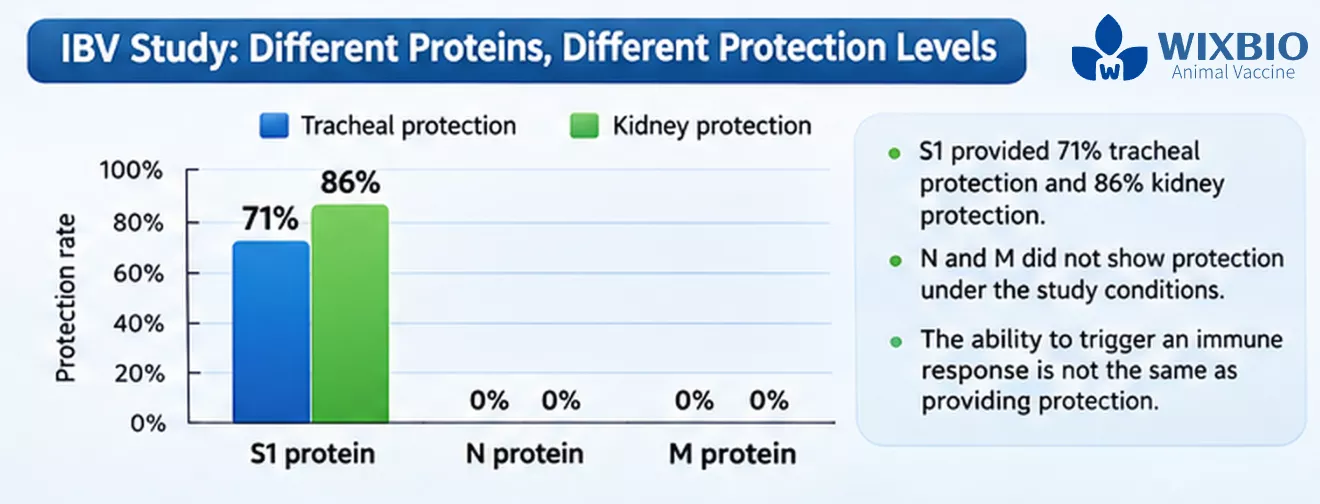
IBV Research: Different Proteins, Different Protection Levels
In 1994, Ignjatovic and Galli investigated the protective effects of three infectious bronchitis virus proteins: S1, N, and M.
The researchers purified the proteins and used them separately to immunize chickens.
Each protein was administered at a dose of 50 μg, with four immunizations.
The vaccinated birds were then challenged with a virulent IBV strain. Protection was assessed by determining whether the challenge virus could be recovered from the trachea and kidneys.
The study reported the following results:
| Antigen | Tracheal Protection | Kidney Protection |
|---|---|---|
| S1 protein | 71% | 86% |
| N protein | No protection observed | No protection observed |
| M protein | No protection observed | No protection observed |
Under these experimental conditions, S1 provided substantially better protection than N or M.
This result illustrates an important principle:
An antigen’s ability to stimulate an immune response is not the same as its ability to protect against infection.
The presence of antibodies does not necessarily mean those antibodies can prevent infection or significantly reduce viral replication.
However, these findings should not be interpreted as proof that N and M proteins have no immunological value.
The results apply to the specific antigens, vaccination protocol, challenge conditions, and protection endpoints used in the study.
Does This Mean the IBV N Protein Has No Protective Value?
No.
Although the N protein is not a major target of IBV-neutralizing antibodies, it contains epitopes that can be recognized by T cells.
A 2023 study investigated an IBV vaccination strategy using an N-protein DNA vaccine for priming, followed by a modified vaccinia Ankara (MVA) vector for boosting.
The researchers observed strong T-cell responses and reductions in certain clinical signs and viral loads following challenge.
CD8+ T cells and TCRγδ+ T cells may have contributed to the observed protection.
These findings help explain why the same antigen can perform differently across vaccine platforms.
Injecting a purified N protein is not immunologically identical to delivering the N-protein gene through a DNA vaccine or viral vector.
Antigen expression, processing, presentation, delivery, and vaccination schedules can influence the immune response.
The endpoint used to measure protection also matters.
A vaccine that reduces viral load may provide meaningful disease control without completely preventing infection.
For veterinary vaccine evaluation, the key question is not simply whether an antigen produces antibodies, but whether the immune response provides useful protection against the target disease.
Why Does Antigen Conformation Matter for Vaccine Protection?
Antigen conformation refers to the three-dimensional shape and structural arrangement of an antigen.
Even when two proteins have the same amino acid sequence, differences in folding, glycosylation, or particle assembly can affect how the immune system recognizes them.
This is especially important for vaccines that rely on protective antibodies targeting specific structural epitopes.
The Immune System Recognizes Epitopes, Not Protein Names
B cells recognize specific regions of an antigen through their B-cell receptors.
These regions are called epitopes.
Some epitopes are linear, meaning they consist of continuous amino acid sequences.
Others are conformational. They are formed when different parts of a protein come together through three-dimensional folding.
If a protein is incorrectly folded, denatured, or structurally altered, certain conformational epitopes may be disrupted.
The protein may still be present and measurable, but some protective antibody-binding sites may no longer have their original structure.
T-cell recognition works differently.
Conventional T cells generally recognize peptide fragments presented by major histocompatibility complex (MHC) molecules.
Therefore, intact native protein conformation is not required for every T-cell response.
Both antigen structure and antigen processing are important in vaccine development.
Case Study 1: IBV S1 vs. S1+S2 Ectodomain
The IBV spike protein contains two major functional regions:
- S1: Involved in receptor binding and contains important neutralizing antibody epitopes.
- S2: Involved in membrane fusion and contributes to the overall spike protein structure.
In 2017, Eldemery and colleagues compared two recombinant IBV antigens:
- A trimeric S1 protein.
- A trimeric spike ectodomain containing S1 and the extracellular region of S2.
Both proteins were expressed in mammalian cells and evaluated in chicken vaccination and challenge experiments.
Five days after challenge, the spike ectodomain group showed significantly lower viral loads in tear fluid and tracheal samples than the S1 group.
The researchers also observed improvements in tracheal mucosal thickness and lesion scores (P < 0.05).
These results suggest that retaining the S2 ectodomain improved protection in the vaccine constructs tested.
Possible explanations include changes in overall spike structure, epitope presentation, and other immune-related factors.
However, the study does not establish that one specific conformational change was solely responsible for the improvement.
It also does not mean that all S1-based vaccines are ineffective.
The broader lesson is that antigen design and structural composition can influence vaccine performance, even when the same major protective protein is involved.
Case Study 2: PCV2 Cap Protein and Virus-Like Particle Assembly
Porcine circovirus type 2 provides another useful example.
Its Cap protein, encoded by ORF2, is an important structural protein and vaccine antigen.
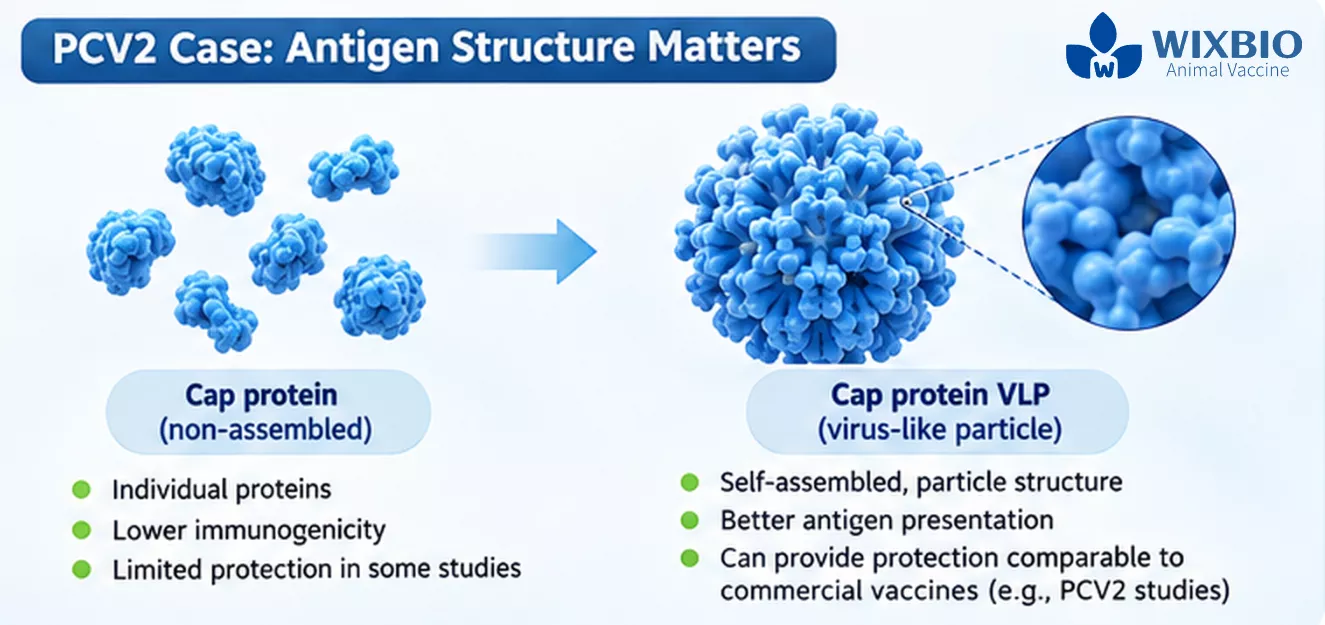
Under suitable conditions, Cap proteins can assemble into virus-like particles.
These particles arrange multiple antigen copies into an organized structure resembling aspects of the natural virus particle.
Such structures may improve antigen uptake, B-cell receptor engagement, and subsequent immune responses.
In 2021, researchers evaluated non-assembled PCV2b Cap protein in a pig vaccination study.
They tested three antigen doses:
- 1.2 μg per dose.
- 3.6 μg per dose.
- 10.8 μg per dose.
The non-assembled Cap protein was formulated with an oil adjuvant and administered to pigs before PCV2 challenge.
The study did not demonstrate a significant protective immune response against viremia in the tested groups.
Increasing the amount of non-assembled Cap protein did not produce a clear improvement in protection under those conditions.
However, the study included only five pigs per group and did not have a directly matched VLP vaccine control.
It therefore cannot prove that non-assembled Cap protein is ineffective at every possible dose or under every formulation.
What it does show is that increasing protein quantity cannot always compensate for an unsuitable antigen presentation or formulation.
For vaccine manufacturers and buyers, this is an important distinction.
Total protein content is only one aspect of antigen quality.
Case Study 3: Can PCV2 VLP Subunit Vaccines Match Commercial Inactivated Vaccines?
A 2026 study published in Acta Veterinaria et Zootechnica Sinica provided further evidence.
Researchers expressed recombinant PCV2 Cap protein in insect cells using a baculovirus expression system.
They confirmed the formation of typical virus-like particles and developed a subunit vaccine.
The experimental vaccine was compared with three commercial PCV2 vaccines, including an inactivated whole-virus vaccine and subunit vaccines produced using different expression systems.
In the pig challenge study, all four vaccinated groups achieved reported protection rates of at least 80%.
No statistically significant differences were observed among the vaccinated groups in viremia and average daily weight gain.
The vaccinated groups also showed better outcomes than the unvaccinated challenge control group for relevant measurements.
These findings indicate that the VLP-based PCV2 subunit vaccine provided protection comparable to the commercial vaccines tested under the study conditions.
However, the absence of a statistically significant difference does not automatically establish formal equivalence or non-inferiority.
Together, these PCV2 studies highlight an important point:
The quality of a recombinant vaccine antigen depends not only on how much protein is present, but also on its structure, biological properties, and ability to induce protective immunity.
How Do Whole-Virus and Subunit Vaccines Activate the Immune System?
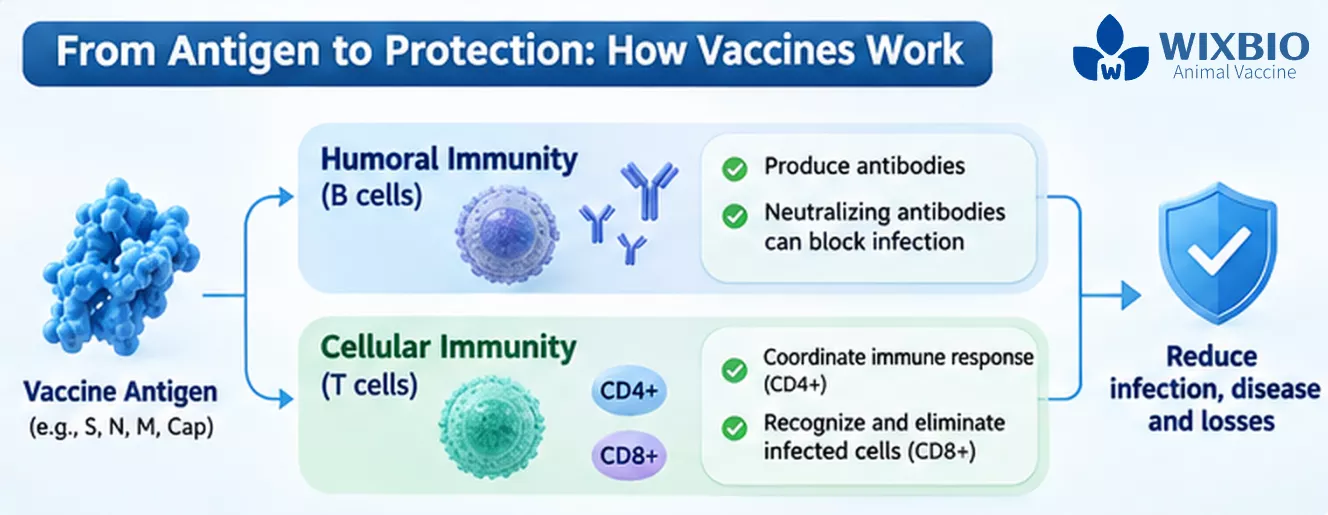
Both vaccine types can stimulate humoral and cellular immune responses.
However, differences in antigen composition, particle structure, and formulation may influence the strength and type of immunity produced.
Humoral Immunity: More Antibodies Do Not Always Mean Better Protection
Humoral immunity mainly involves B-cell activation, antibody production, and immune memory.
For many viral diseases, neutralizing antibodies are important because they can interfere with viral attachment, entry, or infection.
However, not every antibody can neutralize a virus.
For example, an ELISA test may detect antibodies that bind to a specific antigen.
A high ELISA antibody level does not necessarily indicate equally high neutralizing activity.
Some non-neutralizing antibodies may also contribute to protection through other immune mechanisms.
For this reason, vaccine evaluations should distinguish between:
- Total or antigen-binding antibodies.
- Virus-neutralizing antibodies.
- Validated immune markers associated with protection.
Antibody results should be interpreted in the context of the target disease and the test method used.
Cellular Immunity: Not Exclusive to Whole-Virus Vaccines
T-cell immunity is important for controlling many viral infections.
CD4+ helper T cells help coordinate immune responses and support other immune cells, including B cells.
CD8+ cytotoxic T cells can recognize and eliminate certain virus-infected cells.
Whole-virus particles may contain multiple antigens and immune-stimulating components that help activate antigen-presenting cells.
Under some conditions, this can support stronger cellular immune responses.
Soluble protein subunit vaccines are often processed primarily through the MHC class II presentation pathway.
They may therefore require suitable adjuvants or delivery systems to generate stronger CD8+ T-cell responses.
However, this is not an absolute limitation of subunit vaccines.
Some VLPs and other particulate delivery systems can promote cross-presentation, allowing externally delivered antigens to enter pathways associated with MHC class I presentation and CD8+ T-cell activation.
Therefore, it would be incorrect to say that whole-virus vaccines produce cellular immunity while subunit vaccines produce only antibodies.
The actual response depends on the antigen, delivery platform, adjuvant, and complete vaccine formulation.
Innate Immune Stimulation: Benefits and Trade-Offs
Some components of virus particles can activate the innate immune system.
These signals may support antigen-presenting cell maturation and influence subsequent adaptive immunity.
For example, single-stranded viral RNA can be recognized by receptors such as TLR7 under appropriate conditions.
However, not all viruses contain the same type of genetic material.
Inactivation, purification, and particle integrity can also affect the immune-stimulating properties of the final vaccine.
Whole-virus inactivated vaccines should therefore not be treated as having identical innate immune mechanisms.
Subunit vaccines can use adjuvants and delivery systems to provide additional immune stimulation.
Ultimately, the quality of the immune response depends on the complete vaccine formulation, not just the antigen source.
What Actually Determines Veterinary Vaccine Effectiveness?
The most meaningful measure of vaccine effectiveness is whether it reduces disease risk and related losses in the target animal population.
Antigen content and antibody titers provide useful information, but they cannot fully replace evidence of protection.
Antibody Titers Are Important, but They Are Not the Only Endpoint
Antibody testing is widely used to monitor vaccination responses in poultry, pigs, and other animals.
For some vaccines, validated antibody levels are useful indicators of protection.
For others, cellular immunity, mucosal immunity, or additional mechanisms may play an important role.
There is no single antibody threshold that can be applied to every veterinary vaccine.
Buyers should understand what a particular test measures and whether its results are known to correlate with protection against the target disease.
Challenge Studies Provide More Direct Evidence
Well-designed challenge studies help evaluate how vaccinated animals respond to exposure to a target pathogen.
Depending on the disease, important endpoints may include:
Virological endpoints
- Viremia.
- Viral loads in tissues.
- Viral shedding levels.
- Duration of viral shedding.
Clinical and pathological endpoints
- Disease incidence.
- Mortality.
- Severity of clinical signs.
- Tissue lesions and pathological changes.
Production performance endpoints
- Average daily weight gain.
- Feed intake and feed conversion.
- Egg production.
- Egg quality and related productivity measures.
The most suitable endpoints depend on the pathogen, target species, intended vaccine use, and study design.
These measurements should not be treated as interchangeable.
For example, a reduction in viral load does not necessarily mean that infection has been completely prevented.
Similarly, a vaccine may reduce clinical disease without completely blocking pathogen transmission.
Laboratory Protection Does Not Guarantee Identical Field Performance
Challenge studies generally use controlled conditions.
Animal age, health status, challenge strain, and vaccination schedules are often standardized.
Commercial farms are more complex.
Vaccine performance may be affected by:
- Maternal antibody levels.
- Previous vaccination history.
- Concurrent infections.
- Nutritional and management conditions.
- Circulating pathogen strains.
- Vaccine storage and administration practices.
For example, a PCV2 vaccine that performs well in healthy pigs under controlled challenge conditions may not produce exactly the same results in a herd affected by immunosuppressive disease or substantial maternal antibody interference.
This does not mean that laboratory studies are unreliable.
It means that laboratory challenge data, immune monitoring, and field performance should be considered together.
Are Subunit Vaccines Always Safer or Less Stressful?
Not necessarily. Vaccine reactogenicity depends on the complete formulation and vaccination procedure, not only on whether the antigen comes from a whole virus or a selected protein.
Subunit vaccines can reduce the presence of certain non-target viral components.
They also provide opportunities to optimize antigen purity and formulation.
However, some highly purified recombinant proteins require adjuvants or delivery systems to generate sufficient immunity.
Depending on the formulation, these components may contribute to local or systemic reactions.
Injection volume, administration route, antigen dose, and animal health status can also influence the response.
Similarly, a properly purified and optimized whole-virus inactivated vaccine does not automatically cause greater vaccination stress.
What Should Commercial Farms Monitor?
Vaccination is both an animal health activity and a production management decision.
Depending on the species and vaccine, farms may need to monitor:
- Local swelling or injection-site reactions.
- Changes in animal behavior and activity.
- Temporary changes in feed intake.
- Changes in egg production.
- Labor and handling requirements.
- Additional costs associated with repeated vaccination.
Not all changes observed after vaccination are necessarily caused by the vaccine itself.
Animal handling, environmental conditions, management procedures, and unrelated infections may contribute.
It is also important to consider the long-term benefits of disease prevention.
A vaccine with a lower purchase price may not provide the best economic outcome if it requires more frequent administration or offers insufficient protection.
Likewise, a higher-priced vaccine may provide value if reliable evidence shows that it effectively reduces disease-related losses.
Evaluating Total Vaccination Costs
For commercial animal production, a practical comparison should consider:
Total Vaccination Program Cost = Vaccine Cost + Administration Cost + Attributable Production Losses + Disease-Related Risk Costs
The cost of disease prevention should not be separated from the cost of vaccination.
Reducing the number of injections may lower labor and handling expenses, but the vaccination schedule must still provide adequate protection.
The goal is not simply to minimize vaccine use.
It is to establish an effective and economically reasonable disease prevention program.
How Should Buyers Choose Between Whole-Virus and Subunit Vaccines?
For veterinary vaccine distributors, importers, commercial farms, and animal health professionals, the most useful question is not which technology is more advanced.
It is:
Which vaccine provides the most suitable protection for the target disease, animal population, and vaccination conditions?
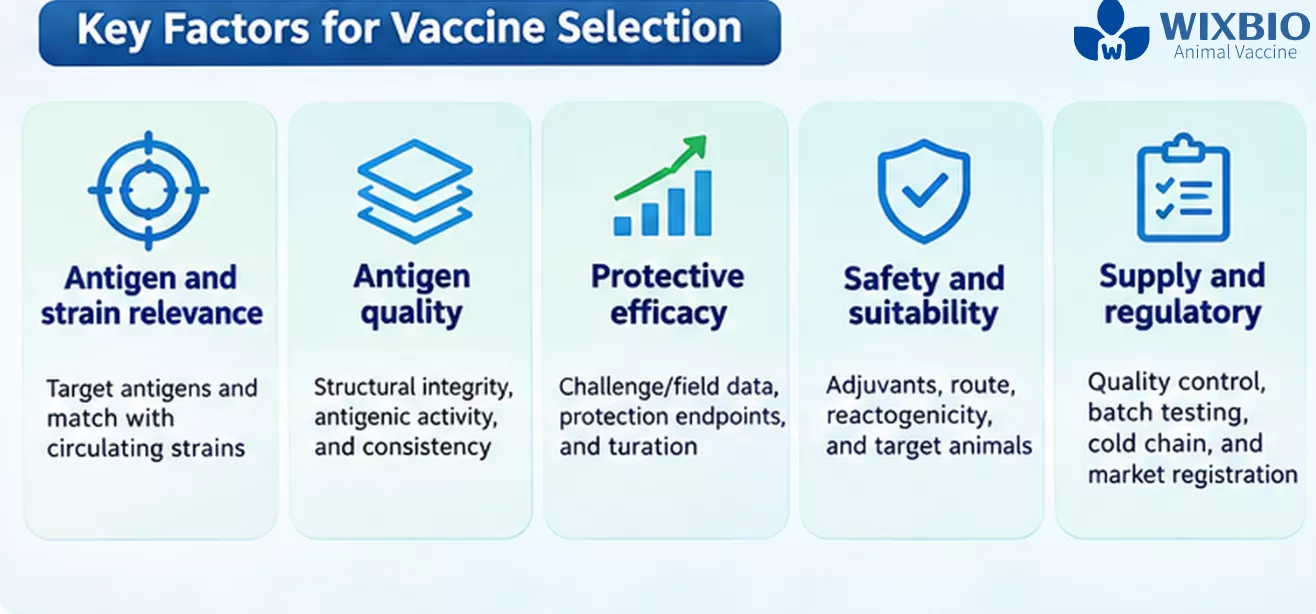
Five areas deserve particular attention.
| Evaluation Area | Key Considerations |
|---|---|
| Antigen and strain relevance | Target antigens, vaccine strains or genotypes, and their relevance to circulating pathogens |
| Antigen quality | Protective antigen content, structural integrity, antigenic activity, and batch consistency |
| Protective efficacy | Target-animal studies, protection endpoints, duration of immunity, and field evidence |
| Safety and suitability | Adjuvants, administration route, reactogenicity, animal age, and immune status |
| Supply and regulatory requirements | Manufacturing quality control, batch testing, cold chain, and destination-market registration requirements |
1. Start with the Target Disease and Protection Requirements
Different pathogens may require different immune mechanisms for effective protection.
For some viral diseases, neutralizing antibodies against surface proteins are especially important.
For others, cellular immunity, mucosal immunity, and additional immune responses may contribute significantly to disease control.
Vaccine selection should therefore begin with the pathogen, disease risk, and intended protection outcomes.
The technology label alone should not drive the decision.
2. Evaluate Antigen Quality, Not Just Antigen Quantity
For recombinant protein and VLP vaccines, buyers may benefit from understanding how the key antigen is produced and characterized.
Relevant questions may include:
- Which expression system is used?
- Is the expected protein structure maintained?
- Does the antigen form the intended particles?
- How is antigenic activity evaluated?
- How is batch-to-batch consistency controlled?
Depending on the product, manufacturers may use suitable structural analysis methods to evaluate particle formation.
Specific antibody-binding assays and other validated methods may help assess important antigenic properties.
However, a single electron microscopy image, protein purity result, or antigen content measurement cannot independently establish protective efficacy.
Structural and analytical evidence should support, rather than replace, biological protection data.
3. Match the Vaccine to the Animal Population
Animal age, maternal antibodies, previous vaccination, and herd or flock health status can affect vaccine responses.
For poultry, vaccination requirements may differ among broilers, layers, and breeders because of differences in production cycles and disease prevention goals.
For pigs, vaccination decisions may need to consider piglet age, maternal antibodies, herd health, and existing vaccination programs.
Buyers should refer to locally applicable veterinary regulations, approved product instructions, and professional veterinary advice.
Vaccination schedules should not be copied from other farms without considering local conditions.
4. Review Protection Evidence and Economic Performance Together
When comparing vaccines, buyers should request evidence relevant to the intended target species and use conditions whenever possible.
In addition to antibody results, useful information may include:
- Clinical protection after challenge.
- Changes in viral load and shedding.
- Pathological findings.
- Growth or production performance.
- Duration of immunity.
- Relevant field-use experience.
Reliable field data can also help assess whether performance remains consistent across different production environments.
For commercial farms, vaccine selection should balance disease prevention, safety, operational requirements, and overall cost.
Eight Questions to Ask a Veterinary Vaccine Supplier
The following questions can help buyers evaluate vaccine products more systematically.
1. What vaccine technology is used, and which antigens, strains, or genotypes does the product contain?
This helps determine whether the vaccine is relevant to the target pathogen and local disease risks.
2. What evidence supports the structure and antigenic activity of the key antigens?
For recombinant protein or VLP vaccines, ask about relevant protein structure, antigenic activity, and particle assembly data.
3. How is antigen content measured and controlled between batches?
Understand the analytical methods used and how the manufacturer monitors antigen quality and consistency.
4. Are target-animal vaccination and challenge studies available?
Review the study design, control groups, protection endpoints, and reported outcomes.
5. Which animals and vaccination schedules are recommended?
Ask about target species, age, administration route, booster requirements, and evidence supporting the claimed duration of immunity.
6. What adjuvant system is used, and what safety data are available?
Review relevant information on reactogenicity, local reactions, and tolerability.
7. Is there evidence of performance against relevant circulating strains or under field conditions?
Where available, local or regionally relevant evidence can support more informed decisions.
8. What product documentation is available for the destination market?
Ask about relevant registration status, quality documentation, batch records, and import requirements.
Not every product will have the same type or amount of available evidence.
The important point is to understand what has been demonstrated, what remains uncertain, and whether the available information is sufficient for the intended use.
Frequently Asked Questions About Whole-Virus and Subunit Vaccines
Does a whole-virus vaccine always provide broader protection?
No.
Whole-virus vaccines contain multiple antigens, but those antigens do not necessarily contribute equally to protection.
Cross-protection also depends on strain matching, protective epitopes, immune mechanisms, and differences among circulating pathogen strains.
Broader protection must be supported by relevant immunological studies or cross-challenge data.
Do subunit vaccines always require higher antigen doses?
No.
The effective antigen dose depends on the protein, its structure, immunogenicity, delivery system, adjuvant, and intended level of protection.
Some purified proteins require higher doses or additional immune stimulation.
Other well-designed particulate antigens may generate effective responses at different dose levels.
There is no universal dose comparison that applies to all whole-virus and subunit vaccines.
Are VLP vaccines considered subunit vaccines?
Generally, yes.
Virus-like particle vaccines are produced using selected structural proteins that assemble into particles resembling certain features of natural viruses.
VLPs generally do not contain a complete viral genome capable of supporting independent viral replication.
Their organized structure may improve antigen presentation and immune recognition.
However, protective efficacy still requires appropriate immunological and animal-study evidence.
Does a higher antibody titer mean better vaccine protection?
Not always.
Antibody titers provide useful information about immune responses, but the meaning depends on the assay and the disease.
Binding antibodies, neutralizing antibodies, and validated correlates of protection are not interchangeable.
Some diseases also require consideration of cellular or other immune mechanisms.
Antibody data should therefore be interpreted alongside relevant protection evidence.
Are subunit vaccines always safer than whole-virus inactivated vaccines?
No universal conclusion can be made.
Both platforms require appropriate safety evaluation and manufacturing quality control.
Subunit vaccines may reduce certain non-target viral components, but their reactogenicity also depends on adjuvants and formulation.
Whole-virus inactivated vaccines require particular attention to complete viral inactivation and relevant product safety controls.
The safety of a specific vaccine should be assessed using its test results, regulatory documentation, and applicable monitoring data.
Conclusion: Effective Protection Matters More Than Antigen Quantity
Whole-virus inactivated vaccines and subunit vaccines use different approaches to antigen preparation and presentation.
Neither platform is universally superior.
Whole-virus vaccines can provide multiple viral antigens and may preserve structural features and immune-stimulating components of the original virus.
Subunit vaccines allow selected protective antigens to be developed through recombinant expression, structural optimization, particle assembly, and formulation design.
Research involving IBV and PCV2 shows that antigen selection, protein structure, antigen presentation, and delivery methods can all influence immune responses and protection.
However, these factors work together.
A correctly folded antigen does not automatically guarantee protection. Likewise, a vaccine containing more antigens does not automatically provide broader or longer-lasting immunity.
The goal of vaccine development is not to include as many antigens as possible, or simply to achieve the highest protein purity. It is to deliver the right protective antigens in a form that produces sufficient, durable, and acceptable immunity in the target animal.
For buyers, vaccine technology is only the starting point.
Product quality, relevance to circulating strains, protection data, vaccination schedules, safety, and field performance are the factors that should guide the final decision.
About Wixbio
Wixbio focuses on practical animal vaccine knowledge, product quality, and the relationship between immune protection and real-world animal health needs.
We believe that understanding different vaccine technologies helps distributors, importers, commercial farms, and veterinary professionals evaluate products more effectively.
If you are sourcing poultry, swine, or other veterinary vaccines, or would like to discuss product specifications, technical documentation, supply, or potential cooperation, you are welcome to contact the Wixbio team.
Product availability, approved uses, regulatory status, and supply conditions depend on the specific vaccine and destination market.
References
[1] Ignjatovic, J., & Galli, L. (1994). The S1 glycoprotein but not the N or M proteins of avian infectious bronchitis virus induces protection in vaccinated chickens. Archives of Virology, 138, 117–134.
https://doi.org/10.1007/BF01310043
[2] Eldemery, F., et al. (2017). Protection against infectious bronchitis virus by spike ectodomain subunit vaccine. Vaccine, 35(43), 5864–5871.
https://doi.org/10.1016/j.vaccine.2017.09.013
[3] Non-Assembled ORF2 Capsid Protein of Porcine Circovirus 2b Does Not Confer Protective Immunity. (2021). Pathogens, 10(9), 1161.
https://doi.org/10.3390/pathogens10091161
[4] Dong, Y., et al. (2026). Preparation of a Recombinant Baculovirus-Based Porcine Circovirus Type 2 Subunit Vaccine and Comparison of Its Immunogenicity with Commercial Vaccines. Acta Veterinaria et Zootechnica Sinica, 57(5), 2768–2778.
https://doi.org/10.11843/j.issn.0366-6964.2026.05.031
[5] Chandrasekar, S. S., et al. (2023). A DNA Prime and MVA Boost Strategy Provides a Robust Immunity against Infectious Bronchitis Virus in Chickens. Vaccines, 11(2), 302.
https://doi.org/10.3390/vaccines11020302
[6] Virus-like particle vaccines: immunology and formulation for clinical translation. (2018).
https://pmc.ncbi.nlm.nih.gov/articles/PMC7103734/
Disclaimer: This article is intended for veterinary vaccine education and technical information. It does not provide a vaccination prescription for any specific animal population. Vaccine selection and administration should follow applicable local regulations, approved product instructions, and professional veterinary guidance.